


Rogue Defense: Hybrid Tower TD
4.4478.00 Reviews
App Specs
- Version
- 7.3.0
- Updated On
- License
- Free
- Downloads
- 1,000,000+
- Developer
- CyberJoy Games
- Categories
- Strategy
- Platform
- Android
Screenshots
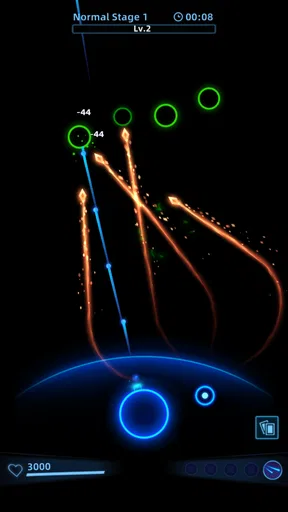
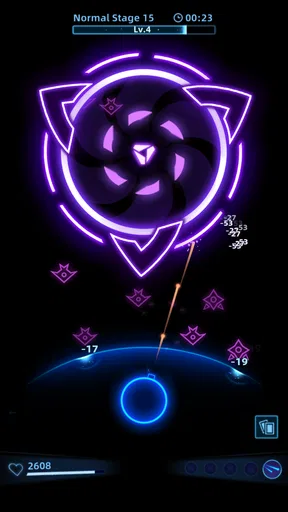
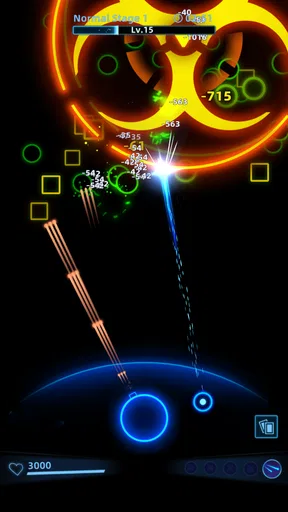
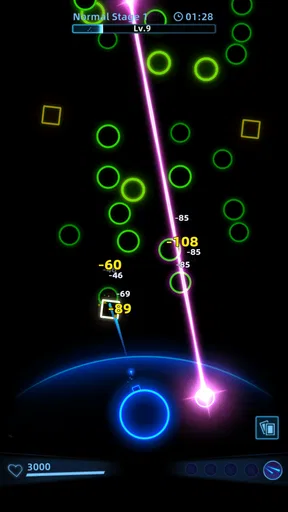
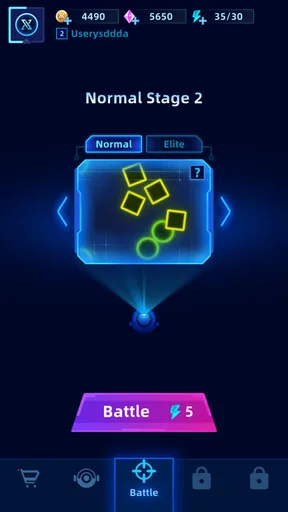
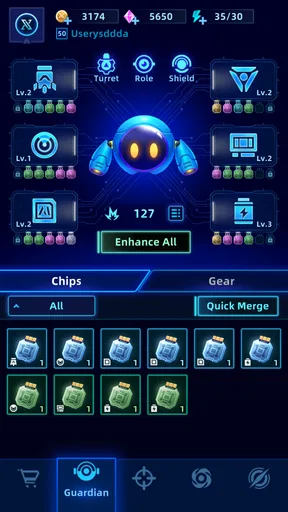
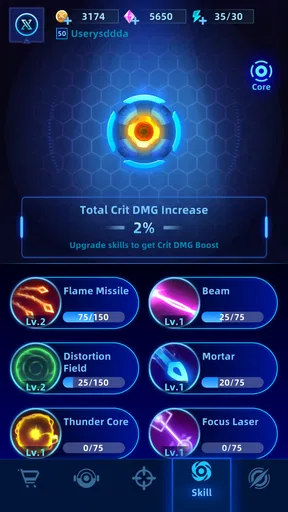
 Analysis by AppCompare
I usually reach for a tower-defense game when I want a clear tactical puzzle: read the route, decide where defenses belong, then see whether the plan holds. Rogue Defense: Hybrid Tower TD caught my attention because it asks for more than that familiar routine. It combines defensive planning with direct action, so I have to think about the layout while also taking an active role in the fight. That mix gives each decision a more immediate feel than simply placing towers and watching a wave pass.
That hands-on quality is the game’s most appealing idea, but it also shapes who will enjoy it. I find it best when I have enough attention to make quick adjustments rather than treating a level as background entertainment. If you like strategy games that ask you to participate instead of only planning from a distance, it is an interesting fit. If you want a slow, hands-off defense game, its active approach may feel like extra work rather than a bonus.
Where the hybrid approach can trip you up
The main adjustment is learning to divide your attention. Tower defense encourages me to study lanes and prepare ahead, while controlling a hero draws my focus toward what is happening right now. Those jobs can compete, especially when I am still learning which choices deserve attention first. I get more out of a run when I make the broad defensive decision before reacting to every small movement on screen.
That is also why a first loss does not necessarily mean the game is unfair. It can mean I spent too much attention on immediate action and neglected the larger defense, or planned a strong layout without staying involved in the battle. I would treat early attempts as practice in balancing those two roles. Rather than changing everything after one setback, I would alter one part of my approach and see whether that makes the next attempt easier to read.
For a practical routine, I would start by checking the defense, then focus on the hero when the action demands it, and reassess the layout whenever the pace allows. That order is a useful mental habit, not a claim about a special in-game feature. It helps keep the game’s two layers from turning into one stream of hurried reactions.
Setup checks and a sensible first session
The game is free to download, with in-app purchases listed from $2.99 to $99.99 per item, so I would approach it as a free starting point rather than assume every later option is included without cost. If spending is a concern, it is sensible to check the purchase controls on the device before handing it to a child or letting someone else use the account. The age rating is Everyone, but that does not remove the need for a household to make its own choices about purchases.
It runs on Android 7.0 or later, and the current version is 5.9.2. If installation or launch gives you trouble, I would first check that the device meets that minimum and that the download has completed. A restart and a fresh attempt after confirming the device has enough available storage are reasonable general checks; they are not game-specific fixes, but they can clear common installation snags.
Worth Reading Before You Choose

EA SPORTS FC Mobile 26 Is a Bigger Football Game, but It Takes Time

Flipboard Shows What News Apps Must Do Beyond the Feed

Switching to Android Auto Means Rethinking Your Driving Routine

Google Calendar Makes a Crowded Week Easier to Manage

Ludo King Makes the Most of the Minutes Between Plans

Baby Panda World Brings Quick Play to Modern Phones, but Its Game Library Feels Busy
For the first session, I would avoid trying to master every strategic possibility at once. Pay attention to how your hero’s direct involvement changes the way you judge a defense, and note which choices seem to matter most when a run becomes difficult. A short, focused session is more useful than pushing through while distracted. It gives you a clearer sense of whether the combination of action and planning suits you before you decide to keep playing.
Recovering a run without overcorrecting
Because the game brings together tower placement, upgrades and hero skills, it is tempting to respond to a hard level by changing all three at once. I would resist that. If a run falls apart, try to identify whether the weak point was the defensive plan, the way resources were divided, or the timing of your direct intervention. Changing one decision at a time makes it easier to learn what actually helped, instead of relying on a lucky result you cannot repeat.
The game’s roguelike framing also makes adaptability part of the appeal. Its levels are described as procedurally generated, so I would not expect one fixed plan to solve every attempt. That is a reason to think in terms of principles—such as not neglecting defense while focusing on the hero—rather than memorizing a single sequence. The trade-off is that players who want a perfectly repeatable puzzle may prefer a more traditional tower-defense game with a stable layout.
If a session is interrupted, I would avoid assuming that a run or its progress will resume in a particular way; that depends on how the game handles interruptions. The safe move is to finish a run when possible and check the game’s own screen after reopening it rather than repeatedly restarting or changing device settings in frustration. That advice is intentionally cautious: it prevents unnecessary troubleshooting from becoming a second problem.
When the device, connection or expectations matter
Not every rough session points to a fault in the game. If the phone is already busy, hot, or low on available space, other apps and ordinary device limits can affect how comfortable a game feels. Closing apps you are not using, letting the device cool, and checking for a completed installation are sensible first steps before deciding that the game itself is responsible. I would also make sure the device is running a supported Android version before spending time on more involved fixes.
Connection trouble is another situation where patience is better than guesswork. If something does not load as expected, I would check the connection and try again later before repeatedly reinstalling or clearing data. Those actions can be disruptive, and I would not use them unless I had a clear reason and understood what might be lost. If the same issue continues, the game’s support or help options are a better next step than changing settings at random.
It is worth separating a technical problem from a preference problem, too. If I dislike having to manage a hero while thinking about defenses, a smoother connection or a newer phone will not change that core design. The game’s distinctive demand is also its main trade-off: active attention is part of the package, not a setting I would expect to switch off.
How it fits into an everyday play routine
I can see this working well in a quiet break when I have enough time to concentrate on a complete stretch of play. For example, if I have a free window after dinner, I can settle in, pay attention to the defense and use each attempt to test one adjustment. It is less suited to a moment when I am waiting for a quick notification or trying to play with half my attention, because the hero-and-tower combination rewards focus.
Compared with a conventional tower-defense game, this one asks me to participate more directly instead of making placement the whole experience. Compared with a more action-focused game, it keeps planning and resource choices in the foreground. That middle ground is useful if I enjoy both styles, but it may be less satisfying than a pure tower-defense title for someone who wants calm, methodical lane management, or less satisfying than an action game for someone who wants constant movement without pausing to consider upgrades.
One practical tip is to treat each attempt as a small experiment. I would note the single decision I want to test—perhaps whether I should prioritize a defense upgrade or improve the hero—and keep the rest of my approach reasonably consistent. This makes the run more informative even if it ends in a loss. It also avoids the common trap of making several changes at once and then having no idea which one improved the outcome.
Another useful trade-off is deciding when to stop a session. Because the levels are procedurally generated, a familiar plan may not carry over neatly, and playing while tired can make that uncertainty feel like needless frustration. I would rather pause after a run that taught me something than keep repeating attempts without noticing why they fail. Players who enjoy learning through varied attempts are likely to appreciate that rhythm; players who prefer a predictable campaign may want a more fixed-format alternative.
Who is likely to enjoy it
Rogue Defense: Hybrid Tower TD is a good candidate for players who like making tactical choices and staying involved once a battle begins. It may especially suit someone who has tried standard tower defense and wants more to do during the fight, or someone who enjoys adapting a plan rather than repeating a memorized solution. CyberJoy Games has built the experience around that blend, and the game has an average rating of 4.4 from around 6,500 ratings, with over 500,000 installs.
I would be more hesitant to recommend it to someone looking for a low-pressure idle game, a purely predictable puzzle, or a session that can be played while attention is elsewhere. It is also worth remembering that optional purchases range up to $99.99 per item. That does not tell me whether spending is necessary to enjoy the game, so I would begin without buying anything and decide from actual play whether a purchase seems worthwhile. The game is free, which makes that cautious approach easy to take.
For parents, the Everyone age rating is a useful starting point, not a substitute for checking how the device handles purchases. For players deciding whether it will run, the minimum Android requirement is 7.0. Those are straightforward checks that answer two common practical questions before installation, while the more personal question—whether you enjoy balancing direct action with defensive planning—will only become clear once you try a session.
First Impressions and Setup
From the moment I launched Rogue Defense: Hybrid Tower TD, I was hooked. The app boasts a sleek design, with vivid graphics that are both inviting and easy on the eyes. Setup was a breeze, and within minutes, I was diving into my first battle. The user interface is intuitive, making it simple for both veterans and newbies to navigate.
Gameplay Mechanics
The core of the game lies in its hybrid nature. It’s not your typical tower defense; it’s got a twist. You’re not just placing towers and hoping for the best. Instead, you’re actively participating in the action, controlling a hero character while strategizing where to place your towers. This dual approach keeps you engaged and constantly on your toes.
The roguelike elements add another layer of excitement. Each level is procedurally generated, meaning no two playthroughs are the same. This ensures a fresh experience every time you play. Plus, the unpredictability keeps you alert, as you never know what challenges you’ll face next.
Strategic Depth
Strategy lovers will appreciate the variety of towers and upgrades available. You can customize your defenses to suit your playstyle. Whether you prefer a heavy offensive strategy or a more defensive approach, there are plenty of options to tailor your strategy. Plus, the hero character brings unique abilities to the table, allowing for dynamic gameplay adjustments.
Resource management is key here. You need to balance between upgrading towers and enhancing your hero’s skills. It’s a delicate dance, but mastering it is incredibly rewarding. The game encourages experimentation, prompting you to try different combinations to see what works best.
Challenges and Progression
One of the things I loved about Rogue Defense: Hybrid Tower TD is the challenge it offers. The difficulty ramps up at a steady pace, ensuring you’re always striving to improve. The sense of progression is palpable, with each victory feeling like a hard-earned accomplishment.
The game also features a variety of enemies, each with unique behaviors and weaknesses. This requires you to adapt your strategy on the fly, keeping the gameplay fresh and engaging. The more you play, the better you understand the intricacies of enemy patterns and how to counter them effectively.
Visuals and Sound
The visuals in Rogue Defense: Hybrid Tower TD are top-notch. The art style is vibrant and detailed, making every battle a feast for the eyes. The animations are smooth, and each action feels impactful. Coupled with an immersive soundscape, the game pulls you into its world effortlessly.
Every sound effect, from the clashing of swords to the explosive tower attacks, is meticulously crafted to enhance the gaming experience. The soundtrack, too, is suitably epic, perfectly complementing the on-screen action and keeping your adrenaline pumping.
Final Thoughts
In conclusion, Rogue Defense: Hybrid Tower TD is a fantastic blend of genres that delivers a unique and engaging experience. Whether you’re a fan of strategic planning or enjoy the unpredictability of roguelikes, this game has something for everyone. It’s a testament to how innovative game design can breathe new life into traditional genres.
If you’re looking for a game that challenges your mind while keeping you entertained for hours on end, give Rogue Defense: Hybrid Tower TD a try. You might just find yourself as hooked as I am.
Pros
- Engaging hybrid gameplay mechanics.
- Distinctive towers with unique abilities.
- Visually appealing graphics and effects.
- Challenging levels that test strategy.
- Regular updates with new content.
Cons
- In-app purchases can be pricey.
- Occasional connectivity issues.
- Some levels feel repetitively difficult.
- Limited offline play options.
- User interface can be cluttered.
FAQs for Rogue Defense: Hybrid Tower TD
What is Rogue Defense: Hybrid Tower TD about?
Rogue Defense: Hybrid Tower TD is a strategic tower defense game that combines elements of roguelike gameplay. Players must build and upgrade towers to fend off waves of enemies, with each level offering unique challenges and opportunities for strategic planning. The game includes various maps and enemy types, making every playthrough a fresh experience.
Is Rogue Defense: Hybrid Tower TD free to play?
Yes, Rogue Defense: Hybrid Tower TD is free to download and play. However, it offers in-app purchases that can enhance the gaming experience. These purchases range from removing ads to unlocking special items or features that can help advance more quickly in the game. It's up to the player to decide if they want to make any purchases.
What are the system requirements for Rogue Defense: Hybrid Tower TD?
Rogue Defense: Hybrid Tower TD requires Android 5.0 or later for Android devices, and iOS 10.0 or later for iOS devices. The game is optimized for both smartphones and tablets, ensuring smooth gameplay across different screen sizes. For the best experience, ensure your device has enough storage space and is up to date with the latest operating system updates.
Can Rogue Defense: Hybrid Tower TD be played offline?
Yes, Rogue Defense: Hybrid Tower TD can be played offline. This feature makes it ideal for players who want to enjoy the game without needing a constant internet connection. However, some features, such as in-app purchases and leaderboard updates, will require an internet connection to function properly.
Are there any multiplayer features in Rogue Defense: Hybrid Tower TD?
Currently, Rogue Defense: Hybrid Tower TD is primarily a single-player experience focused on strategic planning and tower defense. While there are no direct multiplayer modes, players can compare their progress and scores with friends through online leaderboards, adding a competitive element to the game.


